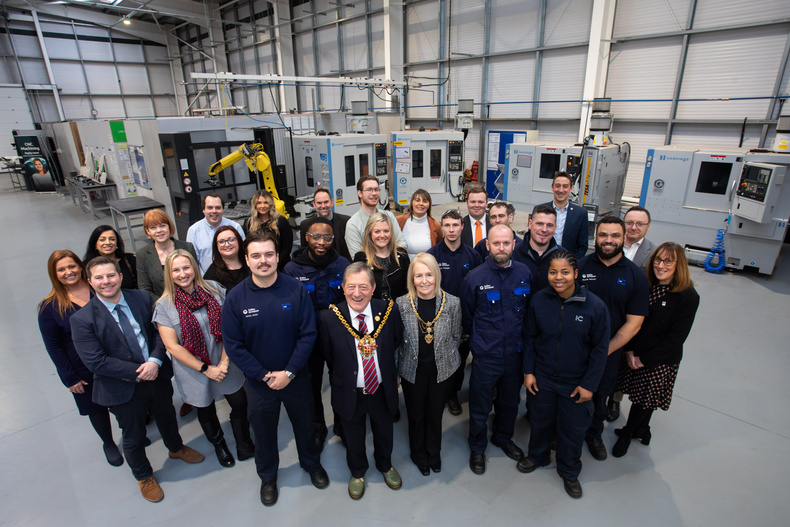
The United Kingdom continues to face labor shortages across its manufacturing, industrial production, engineering, logistics, food processing, automotive assembly, packaging, warehousing, and supply chain sectors. As businesses expand operations and experienced workers retire, employers increasingly seek qualified international workers to fill vacancies that cannot be filled through local recruitment alone.
Birmingham, located in England’s West Midlands region, remains one of the UK’s largest manufacturing and industrial centers. The city has a long history of engineering excellence and continues to host major automotive manufacturers, aerospace suppliers, food production companies, packaging facilities, metal fabrication businesses, electronics producers, pharmaceutical manufacturers, logistics providers, and industrial engineering firms.
For foreign workers seeking employment abroad, manufacturing jobs in Birmingham offer attractive salaries, stable working conditions, employee benefits, overtime opportunities, healthcare access, employer-sponsored accommodation assistance, and potential pathways toward long-term settlement in the United Kingdom. Many companies actively recruit overseas workers through approved visa sponsorship programs to address workforce shortages in production facilities and manufacturing operations.
Whether you have previous factory experience, engineering skills, machine operation knowledge, warehouse expertise, quality control experience, or simply wish to begin a career in manufacturing, Birmingham provides numerous opportunities for qualified applicants.
This guide explains the available manufacturing jobs, salary expectations, requirements, employee benefits, visa sponsorship options, application procedures, and practical strategies for successfully securing employment in Birmingham.
Why Birmingham Needs Manufacturing Workers
Manufacturing remains one of the most important sectors of the British economy. Birmingham plays a central role in this industry because of its strategic location, transportation links, skilled workforce, and industrial heritage.
Several factors continue increasing demand for workers.
Workforce Retirement
Many experienced manufacturing workers are approaching retirement age, creating vacancies throughout factories and production facilities.
Growth in Industrial Production
Manufacturers continue expanding production to meet domestic and international demand for goods.
Supply Chain Expansion
Warehousing, logistics, and distribution operations require additional personnel to support increasing commercial activity.
Infrastructure Investment
Government and private-sector investment in transportation, energy, housing, and industrial projects creates demand for manufactured products and industrial equipment.
Labor Shortages
Employers frequently report difficulties recruiting sufficient workers, encouraging international recruitment initiatives.
These factors create strong opportunities for foreign workers seeking employment through sponsorship programs.
Why Foreign Workers Choose Manufacturing Jobs in the UK
Many international applicants choose manufacturing careers because they offer stable employment and opportunities for long-term career growth.
Key advantages include:
- Competitive salaries
- Overtime opportunities
- Weekly or monthly pay
- Paid annual leave
- Healthcare access through the NHS
- Pension contributions
- Stable employment contracts
- Career progression opportunities
- Family visa options
- Long-term settlement pathways
- Employer-sponsored training programs
- Accommodation assistance from some employers
For many workers, manufacturing serves as a practical route to gaining UK work experience and establishing long-term residence.
Types of Manufacturing Jobs Available
Manufacturing companies recruit workers for numerous positions depending on production requirements.
Production Operatives
Production operatives support daily manufacturing activities and production line operations.
Responsibilities include:
- Operating machinery
- Monitoring production lines
- Product assembly
- Packaging goods
- Quality inspections
- Material handling
- Production reporting
Average Salary:
£26,000 – £38,000 annually
Assembly Line Workers
Assembly workers construct products and components according to manufacturing specifications.
Responsibilities include:
- Product assembly
- Component installation
- Equipment operation
- Visual inspections
- Quality verification
Average Salary:
£28,000 – £40,000 annually
Machine Operators
Machine operators manage specialized manufacturing equipment used during production.
Responsibilities include:
- Machine setup
- Equipment operation
- Process monitoring
- Basic maintenance
- Troubleshooting minor issues
- Safety inspections
Average Salary:
£30,000 – £45,000 annually
Warehouse Operatives
Warehouse personnel support inventory management and logistics functions.
Responsibilities include:
- Inventory handling
- Order picking
- Goods receiving
- Stock management
- Shipping preparation
- Forklift operation where qualified
Average Salary:
£27,000 – £42,000 annually
Quality Control Inspectors
Quality inspectors ensure products meet required standards before distribution.
Responsibilities include:
- Product testing
- Quality inspections
- Compliance verification
- Documentation
- Defect identification
- Reporting issues
Average Salary:
£32,000 – £48,000 annually
Welders and Fabricators
Manufacturing facilities often require skilled welders and metal fabricators.
Responsibilities include:
- Welding operations
- Metal fabrication
- Equipment repairs
- Reading technical drawings
- Product assembly
Average Salary:
£35,000 – £55,000 annually
Maintenance Technicians
Maintenance personnel ensure machinery and production systems operate efficiently.
Responsibilities include:
- Equipment servicing
- Preventive maintenance
- Fault diagnosis
- Mechanical repairs
- System inspections
Average Salary:
£35,000 – £60,000 annually
Production Supervisors
Supervisors coordinate teams and oversee manufacturing operations.
Responsibilities include:
- Staff supervision
- Scheduling
- Performance monitoring
- Safety management
- Production planning
Average Salary:
£40,000 – £65,000 annually
Salary Expectations
Manufacturing salaries vary depending on position, qualifications, experience, and employer.
| Position | Annual Salary |
|---|---|
| Production Operative | £26,000 – £38,000 |
| Assembly Worker | £28,000 – £40,000 |
| Machine Operator | £30,000 – £45,000 |
| Warehouse Operative | £27,000 – £42,000 |
| Quality Inspector | £32,000 – £48,000 |
| Welder | £35,000 – £55,000 |
| Maintenance Technician | £35,000 – £60,000 |
| Production Supervisor | £40,000 – £65,000 |
Additional income opportunities include:
- Overtime pay
- Weekend work premiums
- Night shift allowances
- Attendance bonuses
- Productivity incentives
- Performance bonuses
Experienced workers often exceed standard salary ranges through overtime and promotion opportunities.
Employee Benefits
Many manufacturing employers provide attractive employee benefit packages.
NHS Healthcare Access
Eligible workers gain access to the United Kingdom’s National Health Service.
Benefits include:
- Doctor consultations
- Emergency treatment
- Hospital services
- Specialist care
- Preventive healthcare
Pension Contributions
Employers contribute to workplace pension schemes that help employees save for retirement.
Paid Annual Leave
Most workers receive:
- Paid vacation
- Public holiday entitlements
- Additional leave based on service length
Paid Sick Leave
Eligible employees may receive compensation during periods of illness.
Life Insurance
Some employers provide life insurance coverage for employees.
Training and Development
Employers frequently support:
- Technical training
- Professional certifications
- Leadership development
- Career advancement opportunities
Accommodation Assistance
To attract workers, some companies offer:
- Temporary accommodation
- Housing allowances
- Relocation support
- Assistance locating rental properties
Employee Discount Programs
Certain employers provide discounts on products and services.
Eligibility Requirements
Requirements vary depending on the position.
Age Requirement
Applicants generally must be:
- At least 18 years old
Educational Requirements
Most entry-level positions require:
- Secondary school education or equivalent
Technical positions may require:
- Vocational qualifications
- Technical diplomas
- Industry certifications
Work Experience
Some positions require previous experience, while others provide training.
Preferred experience may include:
- Manufacturing work
- Production line operations
- Machine operation
- Warehouse activities
- Quality control functions
English Language Skills
Applicants should be capable of:
- Understanding instructions
- Following safety procedures
- Communicating effectively
- Completing workplace documentation
Physical Fitness
Manufacturing work may involve:
- Standing for extended periods
- Lifting materials
- Repetitive movements
- Shift work
Background Checks
Employers may conduct criminal record and employment verification checks.
Medical Fitness
Applicants may need to satisfy occupational health requirements.
Documents Required for Application
Applicants should prepare the following documentation.
Valid Passport
Current passport valid for international travel.
Professional CV or Resume
Include:
- Personal details
- Educational background
- Employment history
- Skills
- Certifications
- References
Educational Certificates
Copies of:
- Secondary school certificates
- Vocational qualifications
- Technical diplomas
Employment References
Letters from previous employers confirming experience and performance.
Professional Certifications
Where applicable:
- Welding qualifications
- Forklift certifications
- Technical licenses
- Safety certificates
Police Clearance Certificate
Some employers require proof of good character.
Medical Documentation
Certain visa categories may require medical examinations.
Passport Photographs
Recent photographs may be required during immigration procedures.
UK Visa Sponsorship Options
Several immigration pathways support manufacturing workers.
Skilled Worker Visa
The Skilled Worker Visa remains one of the most common sponsorship routes.
Requirements generally include:
- Job offer from an approved sponsor
- Eligible occupation
- Salary meeting immigration thresholds
- English language proficiency
Benefits include:
- Legal employment authorization
- Family inclusion options
- Long-term settlement opportunities
Employer Sponsorship Programs
Many manufacturers hold sponsorship licenses allowing them to recruit international workers directly.
Long-Term Settlement Pathways
Sponsored workers may eventually qualify for:
- Indefinite Leave to Remain
- Permanent settlement
- British citizenship eligibility
after meeting residency requirements.
How to Apply
Step 1: Prepare a Professional Resume
Highlight:
- Manufacturing experience
- Technical skills
- Certifications
- Safety training
- Employment history
Step 2: Gather Supporting Documents
Prepare copies of:
- Passport
- Educational certificates
- Employment references
- Certifications
- Training records
Step 3: Search for Sponsored Vacancies
Review job advertisements carefully and confirm sponsorship availability.
Step 4: Submit Applications
Complete application forms accurately and provide all requested information.
Step 5: Attend Interviews
Employers may conduct:
- Telephone interviews
- Video interviews
- Practical assessments
Questions often focus on:
- Manufacturing experience
- Safety procedures
- Technical abilities
- Teamwork skills
- Shift availability
Step 6: Receive Job Offer
Successful candidates receive employment contracts outlining:
- Salary
- Benefits
- Working hours
- Sponsorship arrangements
Step 7: Sponsorship Documentation
Employers provide necessary sponsorship documents for visa applications.
Step 8: Apply for Visa
Submit immigration applications and supporting documentation.
Step 9: Medical and Security Checks
Applicants may complete:
- Medical examinations
- Criminal record checks
- Identity verification procedures
Step 10: Relocate and Begin Employment
Following visa approval, workers can travel to Birmingham and commence employment.
Tips to Improve Your Chances of Selection
To improve employment prospects:
- Obtain relevant manufacturing experience
- Complete technical training programs
- Learn workplace safety procedures
- Prepare a professional CV
- Secure strong references
- Develop English communication skills
- Obtain forklift certification where possible
- Demonstrate reliability and flexibility
- Submit complete documentation
- Apply to multiple opportunities
Frequently Asked Questions
Can foreigners apply for manufacturing jobs in Birmingham?
Yes. Many employers actively recruit international workers through sponsorship programs.
What salary can manufacturing workers earn?
Depending on role and experience, salaries may range from £26,000 to over £65,000 annually.
Do workers receive healthcare benefits?
Eligible workers generally gain access to NHS healthcare services.
Can manufacturing jobs lead to settlement?
Yes. Sponsored employment may provide pathways toward long-term residence and settlement.
Is previous experience required?
Some positions require experience, while many entry-level opportunities provide training.
Do employers provide accommodation?
Some employers offer accommodation assistance, housing allowances, or relocation support.
Can family members accompany sponsored workers?
Many visa categories permit spouses and dependent children to accompany eligible workers.
Conclusion
Birmingham manufacturing jobs with UK visa sponsorship continue to provide excellent opportunities for foreign workers seeking stable employment, competitive earnings, valuable international experience, and long-term immigration prospects. Ongoing industrial growth, workforce shortages, expanding production facilities, and increasing demand for manufactured goods ensure continued recruitment throughout 2026 and beyond.
With salaries reaching £45,000 or more, access to NHS healthcare, pension contributions, paid leave, accommodation assistance, overtime opportunities, and potential settlement pathways, manufacturing employment offers a practical route toward building a successful future in the United Kingdom. Applicants who prepare strong documentation, develop relevant skills, obtain industry certifications, and carefully follow sponsorship procedures can significantly improve their chances of securing employment and establishing rewarding careers in Birmingham’s manufacturing sector.