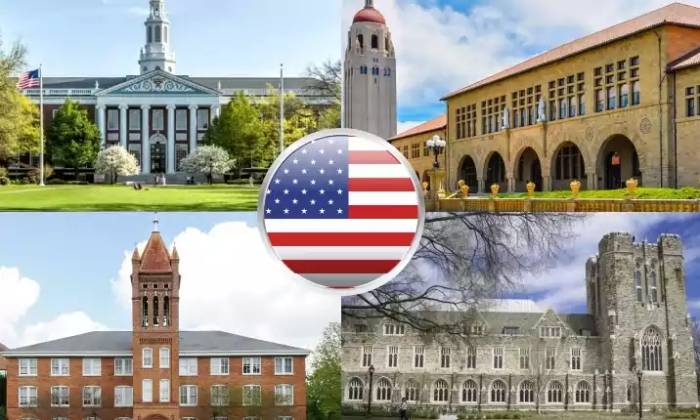
Studying in the United States is a dream for millions of students worldwide. The country is home to some of the best universities, the strongest academic facilities, and countless opportunities for career growth, internships, research, and global exposure. But one major challenge remains: tuition fees in the USA can be very high—especially for international students.
The good news is that thousands of students successfully study in the USA every year on affordable tuition, reduced tuition, partial scholarships, full funding, or creative cost-saving strategies. If you are determined, realistic, and willing to explore different paths, studying in the USA becomes completely achievable—regardless of financial background.
This guide is written in a fresh style, different from previous articles, detailed and practical. It is created to show you every way students reduce their tuition, find affordable universities, win funding, and study without breaking the bank.
Why Studying in the USA Is Worth the Investment
The United States has one of the strongest education systems globally. Students gain exposure to high-quality teaching, cutting-edge technology, research programs, start-up opportunities, and international networking.
Benefits of studying in the USA include:
- Global recognition of your degree
- Access to high-paying jobs after graduation
- Optional Practical Training (OPT) for work experience
- Internship opportunities in top companies
- Academic flexibility—you can mix courses and change majors
- Modern classrooms, labs, and learning systems
- A multicultural environment
Still, none of these benefits erase the reality that tuition can be expensive. That’s why the main goal of this article is to teach you how to study in the USA with low tuition—legally, realistically, and confidently.
Understanding How Tuition Works in the USA
Tuition fees in the United States vary widely. Some universities charge $10,000 per year, while others can charge $50,000 or more.
What determines the cost:
- Whether the school is public or private
- Whether you study in a low-cost state or high-cost state
- Whether you qualify for in-state tuition
- Whether you get scholarships or assistantships
- Your level of study (Bachelor’s, Master’s, PhD)
- Whether you enroll in community college first
This is why students who understand the system save thousands of dollars every year.
Best Low-Tuition Pathways to Study in the USA
There are several legitimate ways to study in the US with low tuition. Some require planning, some require strategy, and some rely on scholarships. But all of them work.
1. Choose Low-Tuition Public Universities
Public universities are significantly cheaper than private institutions. Some public universities charge international students between $7,000 and $15,000 per year, depending on the state and program.
Examples of low-tuition states:
- Texas
- Florida
- North Dakota
- Wyoming
- New Mexico
- Arkansas
- Mississippi
- Idaho
- South Dakota
- Louisiana
Why these states are cheaper:
- Lower cost of living
- State funding for education
- Less competitive admissions
This is an excellent option for students looking for value.
2. Start With a Community College
Community colleges are one of the cheapest ways to study in the USA. Tuition can be as low as $3,000 to $8,000 per year.
Benefits:
- Low tuition
- Flexible admission
- Small class sizes
- Easy transfer to 4-year universities
How it works:
- Study at a community college for 2 years
- Transfer to a university for the remaining 2 years
You will end up with the same degree but at half the cost.
3. Apply for Scholarships
Many scholarships in the USA reduce tuition significantly or even cover 100% of the cost.
Types of scholarships:
- Merit-based scholarships (high grades, strong CV)
- Need-based scholarships (financial need)
- Athletic scholarships
- Research scholarships
- Departmental scholarships
- International student scholarships
Scholarship sources:
- Universities
- Government programs
- Private organizations
- NGOs
- Alumni foundations
You can combine multiple scholarships depending on the policy.
4. Graduate Assistantships (For Master’s and PhD)
Assistantships are one of the most powerful ways to reduce costs.
Types:
- Teaching Assistantship (TA)
- Research Assistantship (RA)
- Graduate Assistantship (GA)
Benefits:
- Reduced or FREE tuition
- Monthly stipend
- Work experience
- Direct mentorship from professors
Most PhD students in the USA pay almost nothing for tuition because of assistantships. Many Master’s students also secure them.
5. Apply for In-State Tuition After Admission
In-state tuition is MUCH cheaper than out-of-state tuition.
Some states allow international students to qualify for in-state tuition if:
- They live in that state for a year
- They work on campus
- They win certain scholarships
- Their program offers an in-state tuition waiver
Possible in states like:
- Texas
- Utah
- Florida
- Oklahoma
- California (some colleges allow AB540 benefit)
This strategy can reduce tuition by 40% to 70%.
6. Attend Universities With Tuition Waivers
Some US universities automatically give waivers to international students. A waiver reduces the part of tuition you must pay.
Examples of waivers:
- Non-resident tuition waiver
- International excellence waiver
- Graduate tuition remission
These waivers can reduce your cost dramatically.
7. Work On-Campus to Cover Expenses
International students on F-1 visas are allowed to work on campus for 20 hours/week during school periods and 40 hours/week during breaks.
Jobs include:
- Library assistant
- Cafeteria worker
- Research assistant
- Lab assistant
- Front desk
- IT support
- Administrative assistant
These jobs help students cover:
- Rent
- Food
- Books
- Transportation
8. Choose Affordable Cities and States
The city you choose affects your cost of living. Tuition might be the same, but living in New York is different from living in Idaho.
Affordable states:
- Oklahoma
- Arkansas
- Kansas
- Texas
- New Mexico
- Iowa
- Montana
- Alabama
Avoid expensive states like:
- California
- New York
- Massachusetts
- Washington
- New Jersey
Low cost of living helps you manage your budget better.
9. Attend Online or Hybrid Programs
Some universities offer hybrid options where the first part of the program is online and cheaper. Once you transfer to full-time campus study, you can complete the final part in the US.
Benefits:
- Save 30%–60% on tuition
- Save on travel and accommodation
- Build academic profile before arriving
10. Apply to Smaller or Lesser-Known Schools
Famous universities charge more. Lesser-known schools, especially in rural areas, are much cheaper but provide excellent education.
These schools want more international students and often give scholarships.
11. Talk to University Financial Aid Offices
Many students don’t know they can negotiate or ask for additional aid. After receiving admission, politely contact the financial aid office to request:
- A tuition reduction
- Additional scholarships
- Payment plans
- In-state tuition consideration
Polite and strategic communication works.
How to Prepare a Strong Application for Low-Tuition Opportunities
Here’s how to make your application stand out.
1. Build a Strong Academic Profile
Good grades help you secure scholarships and reduce tuition.
2. Write an Excellent Statement of Purpose (SOP)
Your SOP must be clear, original, and passionate.
3. Create a Professional Resume
Highlight skills, projects, extracurriculars, and achievements.
4. Get Strong Recommendation Letters
Choose recommenders who know your abilities well.
5. Take Required Exams Early
If your school requires TOEFL, IELTS, SAT, GRE, or GMAT, take them on time.
6. Apply Early
Many scholarships are awarded to early applicants.
Common Mistakes to Avoid When Looking for Low Tuition
- Applying only to popular schools
- Ignoring smaller universities
- Not checking waivers
- Failing to contact financial aid offices
- Applying with poorly written SOPs
- Waiting until deadlines
- Not researching assistantships
Avoid these mistakes to increase your chances of success.
Frequently Asked Questions
Can I study in the USA with very low tuition?
Yes. It depends on the pathway you choose—community college, scholarships, waivers, assistantships, or low-cost states.
Do all universities offer scholarships?
Many do, but amounts vary. Always check each school’s website.
Can international students work off campus?
Only after the first year under CPT or OPT rules.
Is community college accepted for student visas?
Yes, as long as the school is accredited and issues I-20.
Can I switch from community college to university?
Yes, through transfer programs.
Is it possible to study for free in the USA?
PhD students frequently do. Some Master’s students achieve full funding.
Key Takeaways
- Studying in the USA with low tuition is possible through various pathways.
- Community colleges, scholarships, assistantships, and waivers reduce costs dramatically.
- Choosing low-cost states and smaller universities can save thousands.
- Strong applications and early preparation increase your chances.
- With the right strategy, studying in the USA becomes affordable for anyone.
Conclusion
Studying in the USA does not have to be expensive. With the right information, preparation, and strategy, you can reduce tuition, secure scholarships, choose affordable schools, and take advantage of funding opportunities. Thousands of international students every year study for low tuition using the same methods explained in this guide. With determination and smart planning, you can make your dream of studying in the USA a reality—without financial stress.